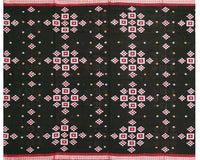

A Sambalpuri saree is more than a garment; it is a living piece of Odisha heritage, hand-dyed and woven thread by thread by master artisans. Whether you own a pure Sambalpuri cotton, a rich Bichitrapuri, or a heavy silk ikat, proper care preserves its vivid dyes, protects the handwoven weave, and keeps the drape flawless for generations.
Here is your complete guide to washing, drying, ironing, and storing your Sambalpuri saree.
1. Washing Your Sambalpuri Saree
Hand wash only, always. Machine washing puts severe mechanical stress on hand-dyed yarns, causing thread breakage, dye bleeding, and permanent distortion of the hand-loomed ikat patterns.
Step-by-Step Hand Wash Procedure:
- Cold Water Dip: Fill a clean bucket with cold or lukewarm water (never hot).
- Mild Cleanser: Add a small amount of neutral detergent or liquid silk/handloom wash. Avoid detergents containing bleach or harsh enzymes.
- Gentle Swirl: Submerge the saree and swirl gently in the water. Do not scrub, twist, or wring the fabric.
- Thorough Rinse: Rinse in cold, running water until all soap residue is completely removed.
- The First-Wash Dye Fix (Natural Ikat Care): For the saree's very first wash, soak it for 5 minutes in cold water mixed with 2 tablespoons of plain white vinegar. This naturally sets the vegetable/organic dyes into the cotton fibres.
Artisan Note on Dye Bleed: Because authentic Sambalpuri yarns are hand-dyed in small batches, a mild release of excess surface dye during the first dip is completely normal. This is not fading, it is the mark of genuine, unrefined handloom dyeing.
Prefer professional care? Dry cleaning is recommended for Sambalpuri silk sarees or pieces featuring heavy zari border work.
2. Drying Your Saree
- Never Wring or Twist: Squeezing wet handloom cotton distorts the warp and weft alignment.
- Shade Drying Only: Lay the saree flat on a clean cotton sheet in a shaded, well-ventilated area, or hang it loosely across a padded hanger. Direct sunlight breaks down natural plant dyes and leads to premature fading.
- Complete Drying: Ensure the fabric is 100% dry before folding to prevent moisture traps.
3. Ironing Tips
- Set your iron to Low-to-Medium Heat (Cotton or Silk setting).
- Iron on the Reverse Side: Always press the back of the fabric to preserve the front surface sheen and protect delicate floats.
- Cotton Shield: Place a thin, damp cotton cloth between the iron plate and the saree for an extra thermal barrier.
- Protect the Zari: Never press a hot iron directly onto metallic zari borders or threadwork.
4. Storing & Preserving the Weave
Proper storage protects the natural cotton fibres between wears:
- Wrap in Muslin: Wrap each saree individually in soft, unbleached muslin or pure cotton cloth. This prevents color transfer between garments and lets the fabric breathe.
- Avoid Plastic Containers: Plastic traps ambient humidity, leading to mildew, yellowing, and thread rot.
- Quarterly Refolding: Every 3 to 4 months, unfold your saree and refold it along different fold lines to prevent permanent fabric creasing or stress fractures along the edges.
- Natural Insect Repellents: Place a few dried neem leaves or a solid cedar block inside your saree box. Avoid putting mothballs (naphthalene) in direct contact with handloom dyes or metallic zari.
- Cool, Dry Storage: Store in a dark, dry wardrobe away from damp walls and direct light.
5. Preserving Zari & Metallic Border Work
- Avoid Chemical Contact: Spray perfume, hairspray, and deodorant before draping your saree. Direct contact with alcohol or fragrance chemicals tarnishes metallic zari threads over time.
- Rolling the Border: For heavy zari sarees, roll the border loosely around a smooth, muslin-wrapped cardboard cylinder to avoid sharp creases.
- Tarnish Care: Wipe tarnished metallic borders gently with a clean, dry microfibre cloth; never use water or chemical polishes on zari.
Resting Your Handloom
Allow at least 24 to 48 hours of rest between wears. Giving the natural cotton or silk yarns time to hang and breathe allows the fibres to return to their natural shape.
Explore Authentic Odisha Craftsmanship
Every OdiKala saree comes directly from the looms of Odisha’s master weaving clusters, complete with the story of the artisan family behind the weave.
👉 Explore Our Authentic Handwoven Sambalpuri Collection. Have questions about caring for a specific fabric or weave? WhatsApp our handloom specialists for instant guidance.